144.91 million new malware samples were detected in 2019. One cyberattack occurs every 39 seconds. 81% of organizations experienced a successful cyberattack in 2019. In fintech, where you're handling people's money, security isn't a feature — it's the product.
The Major Challenges
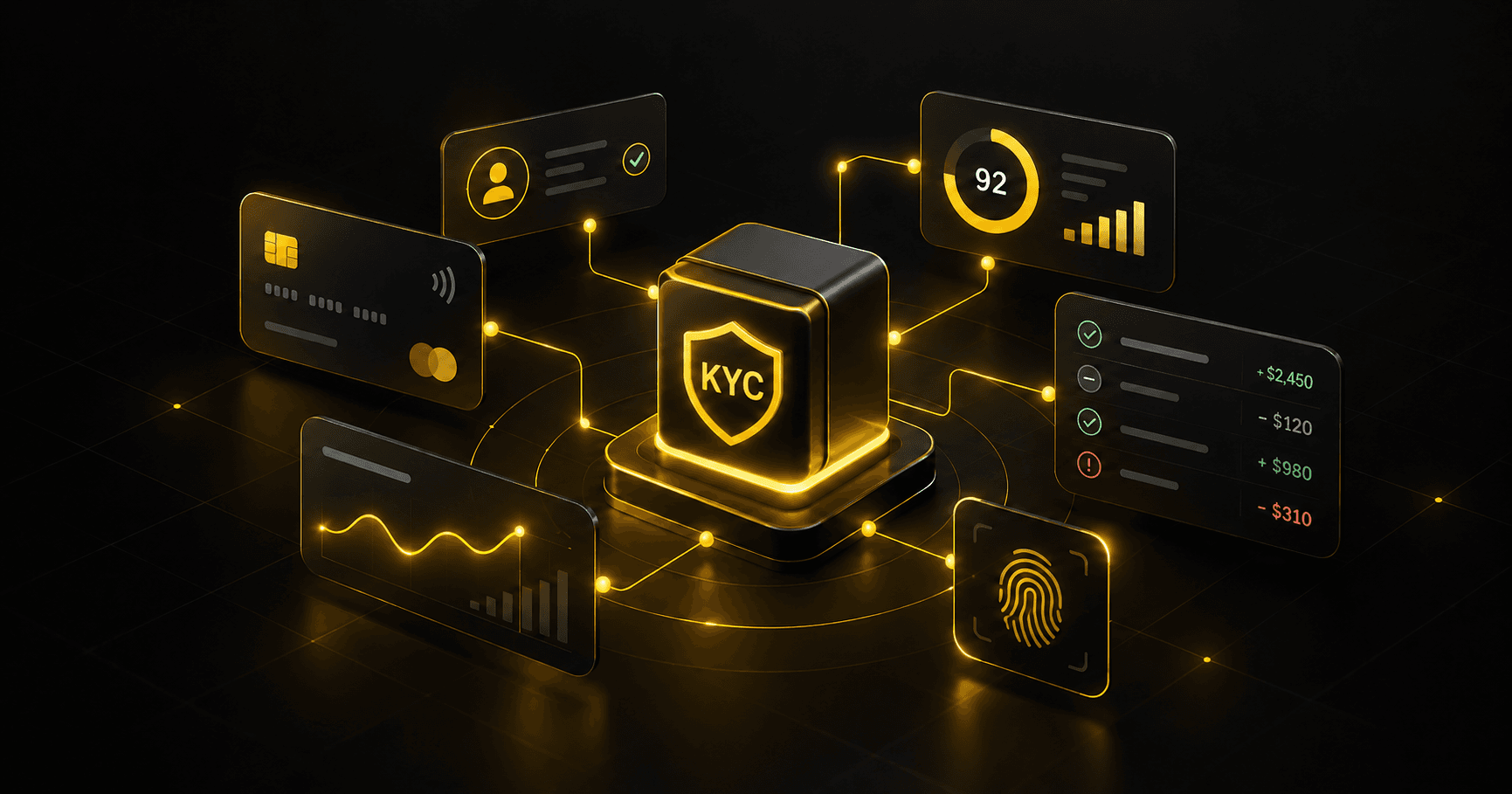
Digital Identity Verification
The digital identity market is projected to reach $12.8 billion by 2024. Modern solutions include OTP, risk-based authentication using geolocation and device fingerprinting, and biometric verification.
Data Ownership and Privacy
Every fintech product needs clear procedures for data access, creation, modification, and deletion rights — aligned with national compliance standards like GDPR and CCPA.
Third-Party Risk
Payment gateways, analytics, and chatbots all create attack surfaces. Minimize dependencies on third-party components or develop critical security features internally.
Data Protection Methods
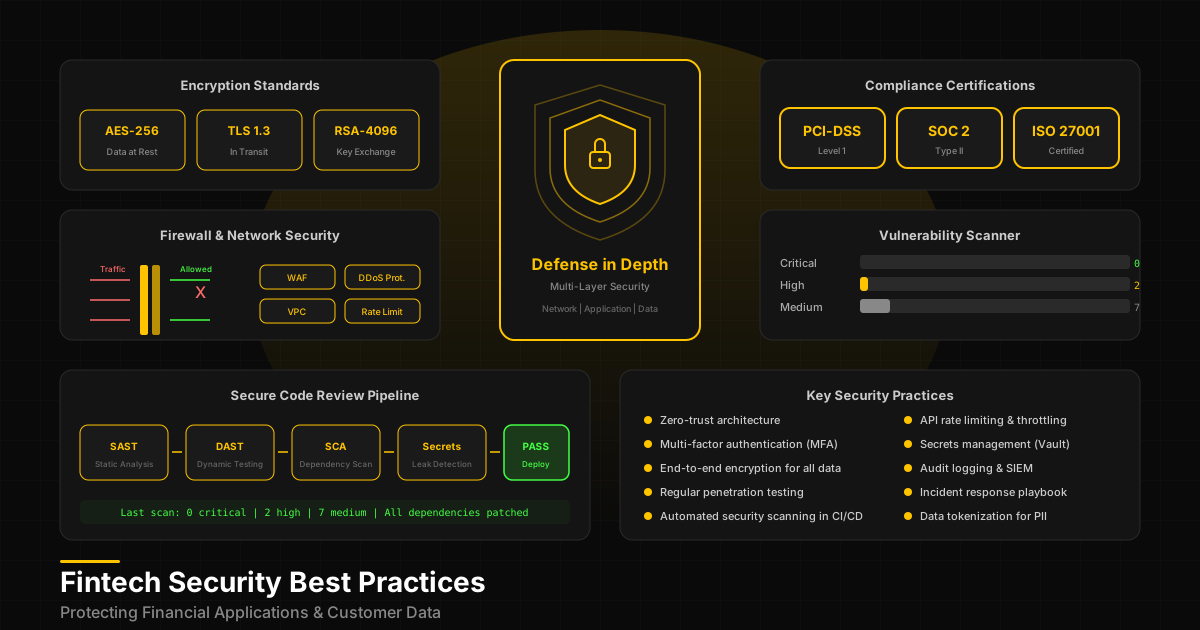
- Encryption: AES, TripleDES, RSA, Twofish algorithms for data at rest and in transit
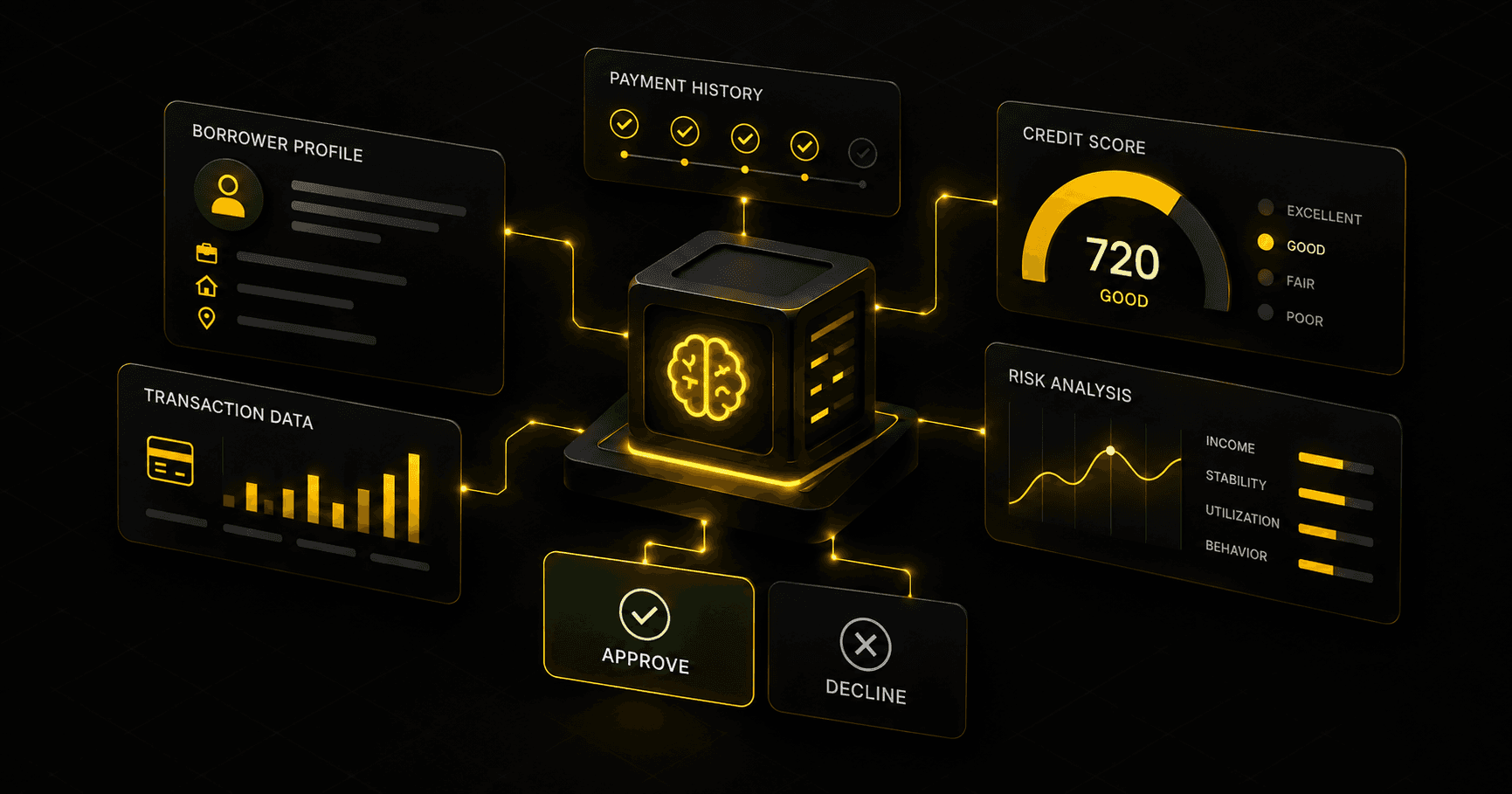
- AI and ML: automated fraud detection, credit assessment, and transaction anomaly analysis
- Tokenization: replace sensitive data with encrypted temporary tokens that are single-use and non-reversible
- Secure Authentication: RBAC, password expiration, sign-in tracking, shorter session lifetimes
- Code Obfuscation: protect against reverse engineering and vulnerability discovery
Compliance Requirements
EU GDPR and ePrivacy regulations set the baseline for data protection. In the US, you're dealing with state-level regulations plus industry standards like PCI-DSS for payments and SOC2 for SaaS platforms.
At UppLabs, security isn't a phase — it's embedded in every sprint. From architecture design to deployment, every decision is evaluated through a security lens.